Permits, Checkposts and Restricted Areas: What Foreign Visitors Should Know
Where foreign nationals need a No Objection Certificate in Pakistan, how checkposts work, and how to plan a northern itinerary that does not hit a wall.
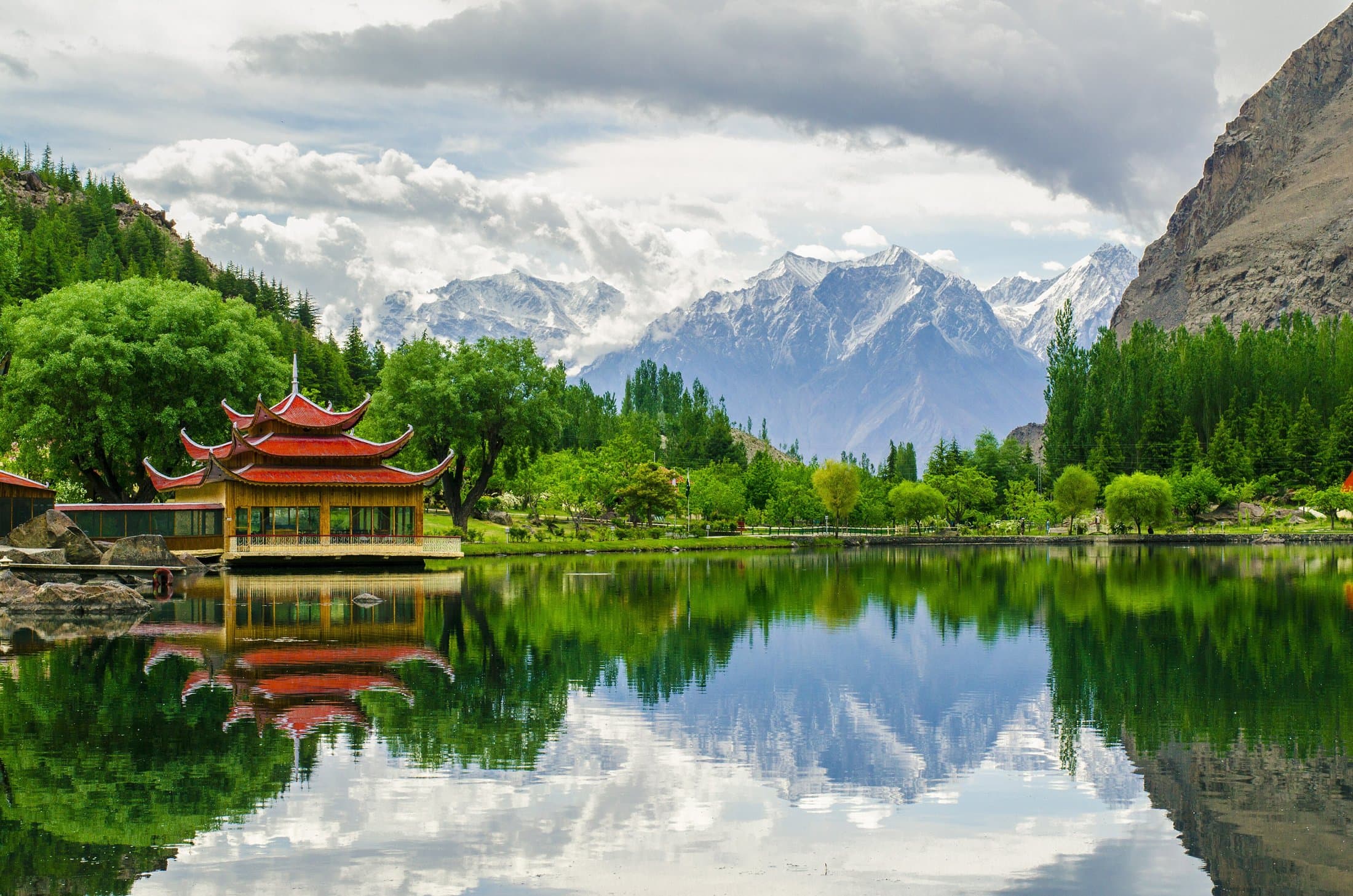
Most of Pakistan is open to foreign visitors without any special paperwork. A handful of areas are not, and the boundary is not always where people assume. Planning around it is straightforward if you know the categories.
This is a practical orientation, not legal advice. Requirements change, and the current position should always be confirmed with your embassy or a local operator before you travel. We check the current status for every itinerary we run.
Where you do not need anything special
The standard tourist and business circuit requires nothing beyond your visa: Islamabad, Rawalpindi, Lahore, Karachi, Peshawar city, Murree and the Galiyat, the Kaghan Valley, Swat, and the main Karakoram Highway corridor through Gilgit to Hunza and Khunjerab. Skardu, Shigar and Khaplu are likewise open.
Where a No Objection Certificate is typically needed
An NOC is an official permission issued for travel to restricted areas. Categories that commonly require one:
- Areas near the Line of Control in Azad Jammu & Kashmir, and near the Afghan and Iranian borders.
- Parts of the former FATA / tribal districts in Khyber Pakhtunkhwa, including the Khyber Pass beyond a point and Torkham.
- Some high-altitude trekking zones and expedition peaks in Gilgit-Baltistan, where the permit is tied to the trek rather than the region.
- Certain areas of Balochistan, where escorted travel may also be required.
- Chitral's border valleys in some circumstances.
NOCs are issued by provincial home departments or the relevant federal authority and they take time — plan weeks, not days. A local tour operator or your embassy will tell you which office applies to your route.
Checkposts: what actually happens
On the KKH and other northern routes, foreign nationals are registered at checkposts. This is routine and quick:
- Carry your passport at all times, not a photocopy.
- Some checkposts ask for several copies of your passport and visa page. Bring ten photocopies — it turns a ten-minute stop into a two-minute one.
- Your driver will usually handle the interaction. Be polite, stay in the vehicle unless asked.
- Occasionally you will be asked where you are staying that night. Have an answer.
The Khyber Pass question
Peshawar city is open. The Khyber Pass towards Torkham is a different matter and generally requires permission and sometimes an escort. Do not plan on driving to Torkham as a day trip out of Peshawar; ask before you build the day. See Peshawar car rental for what routine movement there looks like.
Practical planning advice
- Ask before you book internal flights or hotels in any border region.
- Build a spare day into northern itineraries. Weather and road closures do more to itineraries than permits do.
- Tell your driver your full plan on day one. A local driver will flag a restricted leg immediately — which is a lot cheaper than discovering it at a checkpost 300 km in.
- Register with your embassy if they offer it. It costs nothing.
Women travelling, and travelling alone
Solo foreign travellers, including women, travel the northern circuit routinely. Hunza in particular is relaxed and used to visitors. Practical rather than dramatic advice: dress modestly (long sleeves, loose trousers, a scarf to hand for mosques and villages), avoid intercity night travel, and use a known driver rather than arranging transport ad hoc at bus stands. A chauffeur-driven car is popular with solo travellers here for exactly this reason — it removes the repeated negotiation.
Who to ask
- Your embassy or high commission in Islamabad — the authoritative source for your nationality.
- The provincial home department for the region you want to enter.
- Your operator. We will tell you plainly if a leg needs an NOC, and if we cannot get one we will say so rather than drive you to a checkpost and hope.